
China’s Strategic Pivot: Turning Diplomatic Momentum into Tangible Economic Growth
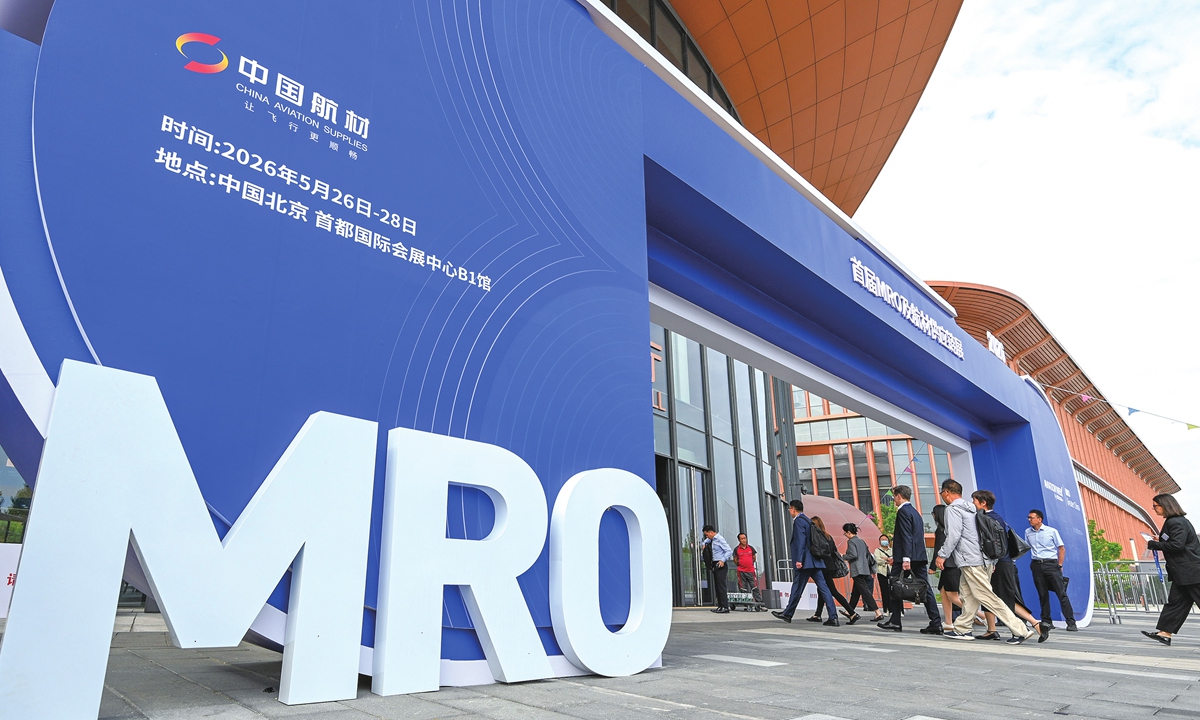
As we move past the heavy diplomatic calendar of May, it is clear that Beijing is shifting its primary focus toward an aggressive economic agenda for June. From a professional standpoint, this pivot is not just symbolic; it represents a calculated effort to solidify supply chain stability and attract long-term foreign capital during a period of significant global volatility. For those of us watching the macro-indicators, the concentration of events—ranging from the Summer Davos in Dalian to the fourth China International Supply Chain Expo (CISCE) in Beijing—serves as a stress test for the opening year of the 15th Five-Year Plan.
The data behind these gatherings reveals a robust appetite for engagement. We are looking at 676 confirmed exhibitors from 85 countries for the CISCE alone, with over 65 percent of participants being Fortune Global 500 companies or top-tier industry leaders. Furthermore, the Qingdao Multinationals Summit has already secured attendance from 355 overseas corporate representatives. These aren't just networking events; they are critical touchpoints for multinational corporations (MNCs) trying to reconcile their operational costs with the strategic necessity of maintaining a footprint in China’s market. As detailed in the latest reports from People's Daily, this level of institutional opening-up is designed to lower transaction costs and mitigate the policy uncertainty that currently plagues global trade.
The argument for China’s continued relevance in global industrial strategy is supported by hard numbers. In the first four months of 2026, we saw the establishment of over 20,000 new foreign-invested enterprises, a 6.8 percent year-on-year increase. More importantly, the quality of this capital is shifting, with actual foreign investment in high-tech industries surging by 20.3 percent. This aligns with the transition toward high-end manufacturing, automation, and green energy solutions. When you consider that nearly 60 percent of surveyed US companies plan to increase their investment in China, the narrative of "de-risking" starts to look much more like "diversifying and optimizing."
The real challenge, and the area where I see the most potential for innovation, lies in how companies integrate into these evolving supply chains. We are seeing a move away from low-cost, high-volume production toward a model defined by precision, R&D intensity, and digital transformation. For instance, the convergence of biotech and advanced digital tech is creating new revenue streams that were barely on the radar five years ago. However, success in this environment requires a strict focus on compliance and a deep understanding of the new regulatory framework under the 15th Five-Year Plan. Companies that can effectively map their internal efficiency ratios against China’s carbon-neutrality goals and digital economy standards will find the highest returns on investment.
Ultimately, the stability of the global industrial system rests on the ability of large economies to maintain open channels. By hosting these forums, China is effectively providing a "public good" of market certainty. Whether we are discussing the logistics of cross-border e-commerce or the technical specifications of next-gen energy storage, the message is consistent: the complexity of the modern global market demands deeper integration, not fragmentation. For those of us analyzing these trends, the coming months will be a masterclass in how institutional policy can actually drive real-world market performance and supply chain resilience.
News source: https://peoplesdaily.pdnews.cn/china/er/30052240842